Film and television production is a machine for atmosphere. Sets, lighting, sound and editing all work together. Video assets — title sequences, screen graphics, background loops and VFX elements — are part of that machine, even when the audience never notices them individually.

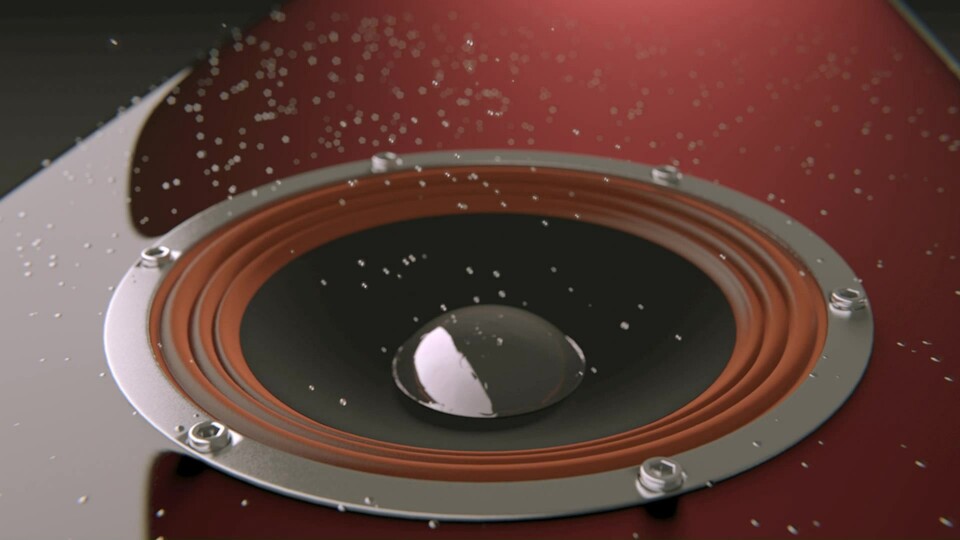
Greeble light streaks across mechanical panels are pure worldbuilding. They suggest a ship, a machine, a future or a threat without explaining anything. In a title sequence or a virtual production background, that ambiguity is a feature.
Title design is a short film
A title sequence has to do several jobs at once: introduce the tone, credit the team and prepare the audience for the story. It can be typographic, photographic, animated or a combination. The best ones feel inevitable, as if the film could not have begun any other way.
Build the sequence around a single visual idea. A texture, a movement, a palette. Too many references create a mood board; one strong idea creates a title.
Broadcast packages need systems
News, sports and entertainment programmes need graphics that can be produced under pressure. Lower thirds, transitions, bug placements, replay wipes and background loops should share a grid, a palette and a motion rule. The package should look consistent whether it is a live event or a highlights show.
Test on real footage, not only on a clean background. News clips are busy, faces move and compression softens detail. A graphic that works in a motion test may disappear on air.
- A title sequence with a clear visual idea and a credit system.
- A broadcast package that holds up across live and edited shows.
- Screen inserts for phones, monitors and control rooms.
- A virtual production loop tested in the LED volume.
- Modular VFX elements for transitions and atmosphere.
Practical delivery
Codecs, frame rates, colour space and safe areas are not glamorous, but they decide whether the asset survives the pipeline. Ask for the delivery specification before the first render. Keep a master file and a set of versioned exports.
For virtual production, test the footage in the LED volume. Moiré, brightness and perspective can behave differently at scale. A loop that looks perfect on a monitor may not hold up behind an actor.
Stock elements in a production
Not every production has the budget for a bespoke effects sequence. Stock VFX and abstract loops can fill gaps, establish a world or create a transition. Use them where they support the story, not as a substitute for a clear visual idea.

Action footage, neon landscapes and mechanical textures can all serve genre. The edit decides whether they feel like a film or a collection of clips.
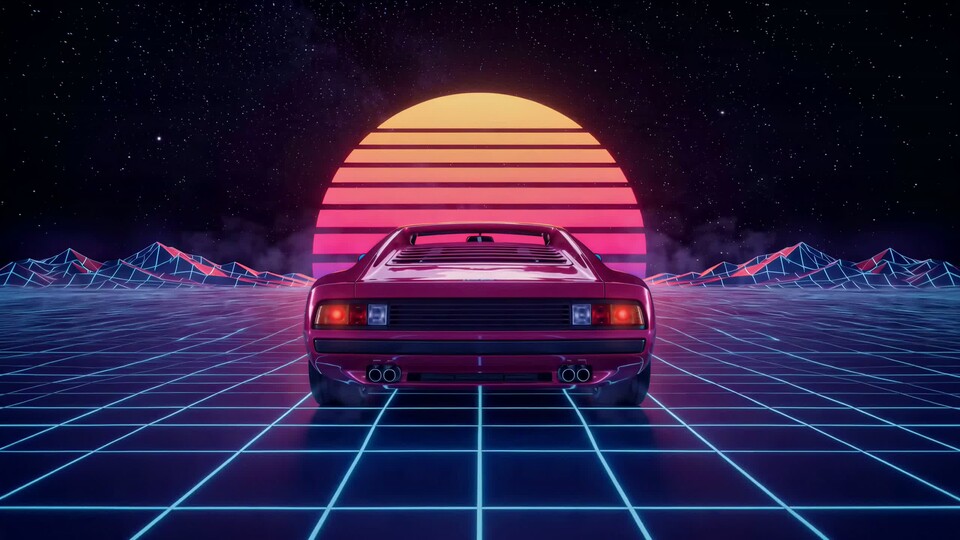
When the world is coherent, the audience stops asking how it was made. That is the highest compliment a broadcast asset can receive.