Cultural institutions have a difficult job: they must preserve, explain and invite at the same time. Video can help with all three, but only if it respects the primacy of the collection. The art is the subject; the screen is a tool.
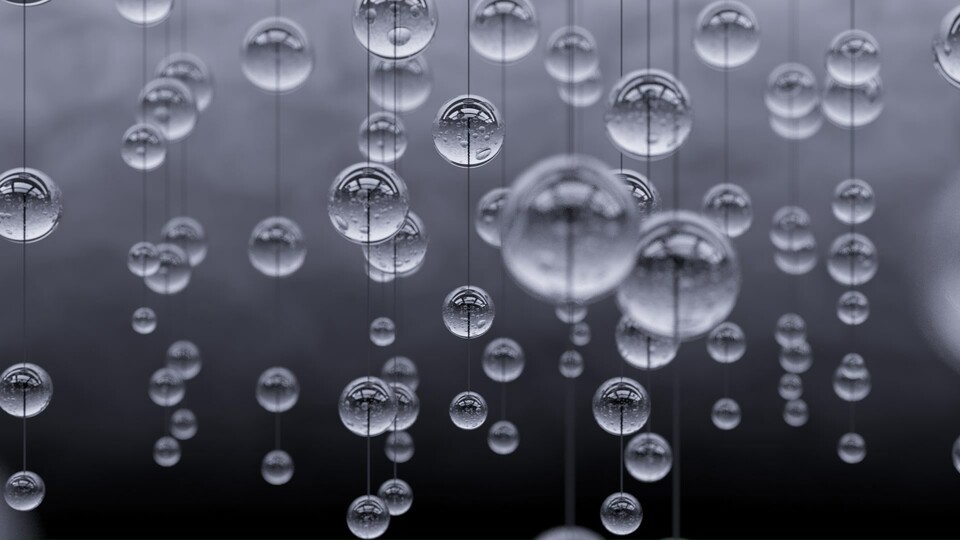
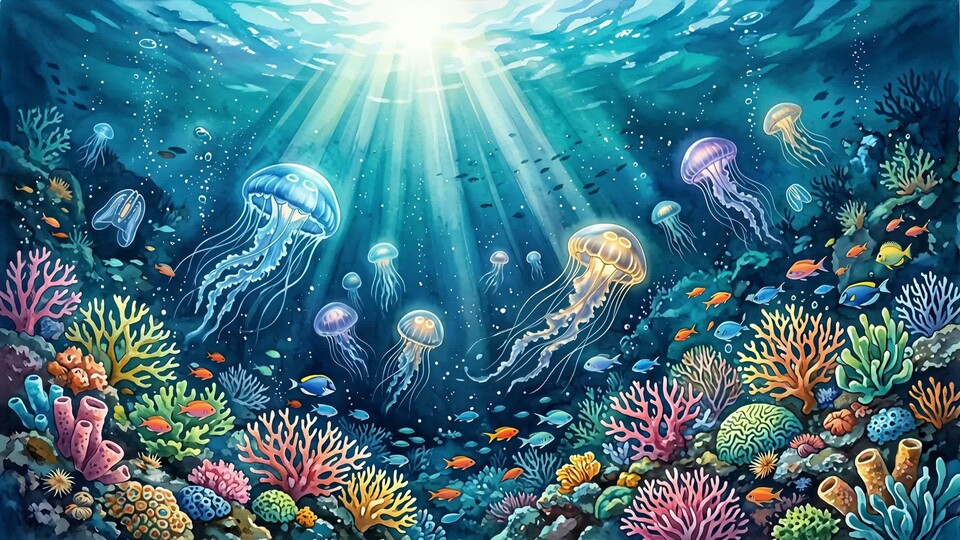
The glass orbs installation is a good example of atmosphere that does not compete with content. Light, suspension and slow movement create a sense of wonder that can introduce an exhibition, fill a transition space or run silently in a lobby.
Interpretation, not replacement
A video should help a visitor see more in the object, not give them an excuse to skip it. Use detail shots, context, process and voices. Keep the film short enough that the visitor still has time and attention for the collection.
For permanent galleries, looping ambient footage can create a mood without demanding full attention. For temporary exhibitions, a more authored film can introduce the curator's argument and the artist's world.
Space and sound
Museums are shared spaces. A video that sounds wonderful in an empty gallery can become noise in a crowded room. Plan for silent captions, directional speakers or a listening zone. Consider sightlines, seating and the flow of visitors around the screen.
Projection changes the architecture. A bright wall can dominate a room; a dark corner can become an intimate theatre. Test at the real scale and with the real light. What works on a monitor may disappear on a gallery wall.
- An exhibition trailer for the website and social channels.
- An in-gallery loop that creates atmosphere without demanding attention.
- An artist or curator interview for deeper interpretation.
- A wayfinding film that helps visitors navigate the space.
- A donor and patron story that shows the impact of support.
Make the invitation accessible
Captions, audio description and transcripts should be part of the plan, not an afterthought. A cultural institution's public mission includes people who cannot hear, see or easily process the film in the same way. Multiple modes of access make the work better for everyone.
For online audiences, short clips can turn a collection into a story. A single object, a detail, a question and a link to visit. The goal is not to reproduce the exhibition online; it is to create a reason to come.
Funders and the long view
Museums need to show impact to funders, partners and the public. A film about a restoration, a community project or a new gallery can communicate value more vividly than a report. Keep the evidence close to the emotion.
The best cultural video does not stand between the visitor and the work. It changes the angle slightly, then steps aside.
That is the role of motion in a museum: not more noise, but another way of looking.