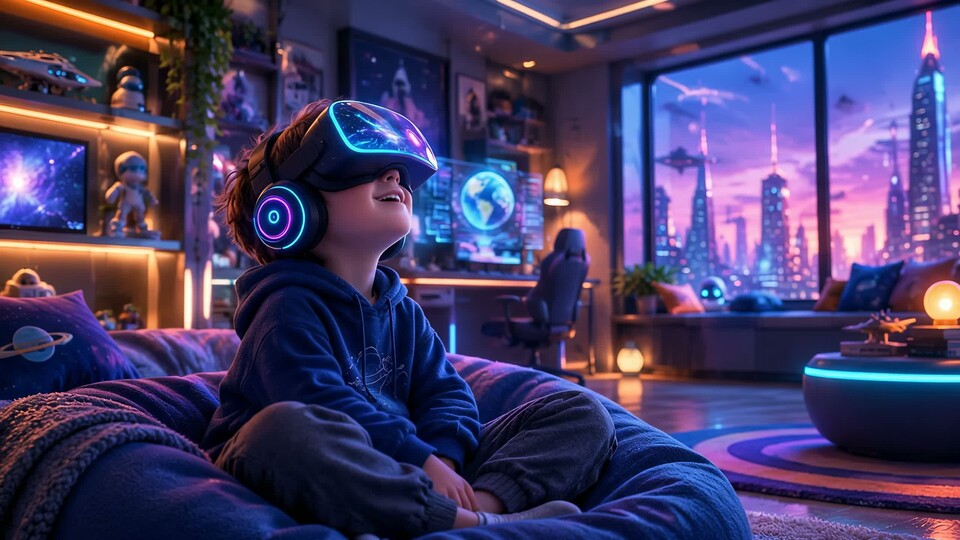
A patient, a clinician, an investor and a regulator may all watch the same healthcare video for different reasons. The visual language has to be precise enough for the expert and kind enough for the patient. That balance is the real creative brief.
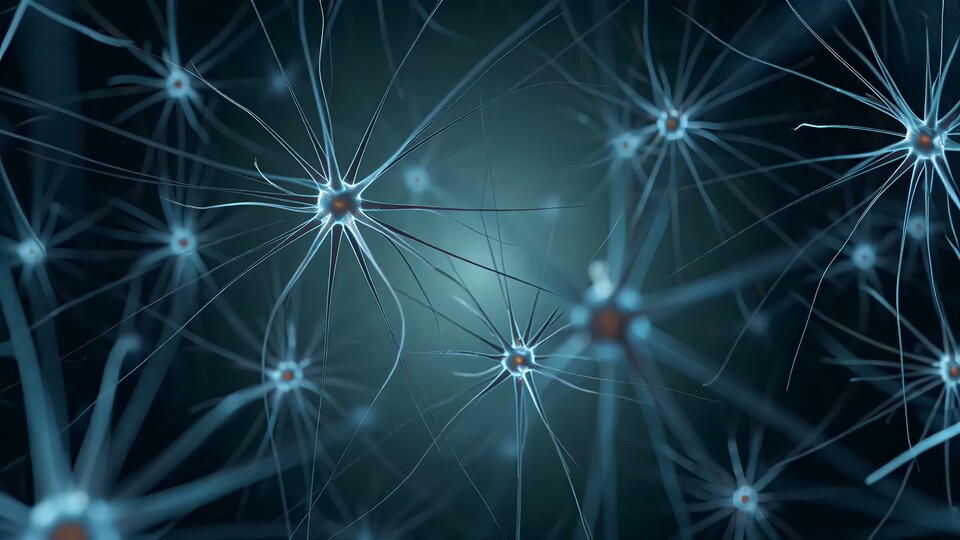
The glowing neural network is a powerful image for the brain, data and connection. It is also abstract enough to avoid showing a real person in a vulnerable moment. Used with care, it can open a film about research or diagnosis before the human story begins.
Explain the body without frightening the viewer
Medical animation can show what a camera cannot: a cell, a pathway, a device inside the body. The goal is understanding, not shock. Use clean geometry, calm colour and a clear sequence. Label the parts that matter and leave out the ones that do not.
For patient education, the most important question is not how impressive the animation is, but whether someone can make a decision after watching it. Pair the visual with plain language and a practical next step.
Real people, real trust
Stock footage of a smiling doctor is not enough. Healthcare audiences are sensitive to false notes. A real clinician, a real environment and a real patient voice build more trust than a perfect studio set. Use abstract footage to support those moments, not to replace them.
Consent, privacy and dignity are part of production. Avoid identifying details, choose representative imagery carefully and make sure the story does not imply a medical outcome that cannot be guaranteed.
- Patient education that ends with a clear next step.
- Clinical training that shows the real procedure and equipment.
- Medtech launches that connect the mechanism to the device.
- Recruitment films with authentic people and places.
- Investor stories grounded in evidence and milestones.
The regulatory layer
Claims need review. Animation can accidentally imply a mechanism or a benefit that the product does not have. Build a medical and legal review into the timeline, and keep a clear record of approved language. This is not bureaucracy; it is how good healthcare communication stays trustworthy.
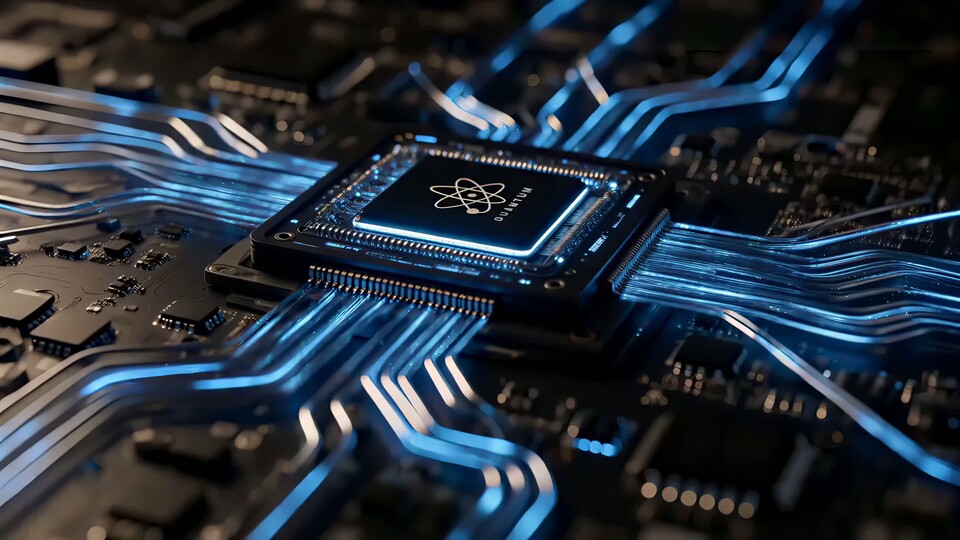
For medtech launches, pair the mechanism animation with the physical device and the clinical context. The viewer should understand what the product is, where it goes and why it matters.
Hope without hype
Health stories often sit between fear and hope. Good video does not promise a cure or minimise a condition. It shows the work, the people and the next step. The tone should be steady, human and specific.

When the science is clear and the empathy is real, video becomes more than a marketing asset. It becomes a tool for informed decisions.