The ocean is one of the few subjects that can make an environmental message without shouting. Bioluminescent jellyfish, coral and slow sunbeams create wonder first. That wonder is a better doorway to action than another graph about temperature.
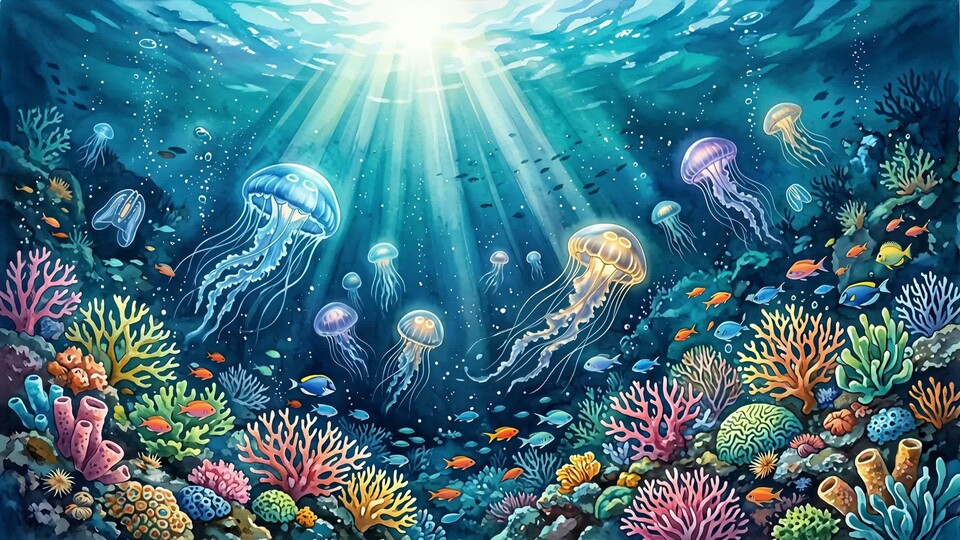
But beauty carries a risk. A stunning underwater clip can make a brand look responsible while saying nothing about what it actually does. Sustainability video has to connect the image to a commitment, a number or a change in behaviour.
Show the stake, then the work
Start with what is at risk. Then show what the organisation is doing: a project, a material, a process, a partnership. The order matters. A film that begins with a logo and ends with a beach clean-up feels like advertising. A film that begins with the place and ends with a measurable commitment feels like a story.
Use real footage where possible. Stock can establish scale and mood, but local specificity builds credibility. A reef in a generic ocean is less convincing than the coast where the project actually happens.
Avoid the greenwash traps
Do not imply a benefit that the product does not have. Do not use nature as a decorative background for a claim that cannot be verified. Do not hide the trade-offs. If the story is complicated, say so. Audiences are increasingly fluent in the difference between a promise and a plan.
- A specific goal with a date and an owner.
- Measurable progress, including what has not worked yet.
- Local context and local voices.
- Independent verification where possible.
- A honest account of the remaining challenges.
Campaigns, reports and internal change
A sustainability report needs clarity, not cinematic drama. A public campaign can be more emotional. An internal film can focus on the people changing the process. Build a family of assets from the same evidence base so the message stays consistent.
For eco-tourism, the challenge is to inspire travel without encouraging damage. Show the place, the local guides and the practices that protect it. Make the responsible choice feel like part of the experience, not a penalty.

For manufacturing and energy, the story is often about transition rather than perfection. Show the old process, the change and the remaining challenges. A credible middle is more persuasive than a claim of purity.
Give the audience a next step
Awareness without action is just mood. End with something concrete: a pledge, a donation, a supplier choice, a way to learn more. Keep the ask proportional to the film. A thirty-second clip cannot solve a systemic problem, but it can move someone one step.

The best sustainability video leaves the viewer with respect for the subject and clarity about the work. Wonder opens the door; evidence keeps it open.